From Essential Infrastructure to Civic Identity
Most fire stations are purely utilitarian.
Placed for response time.
Minimal design consideration.
Hidden or neutral presence.
They serve but don’t shape the place.
What if you did this instead?
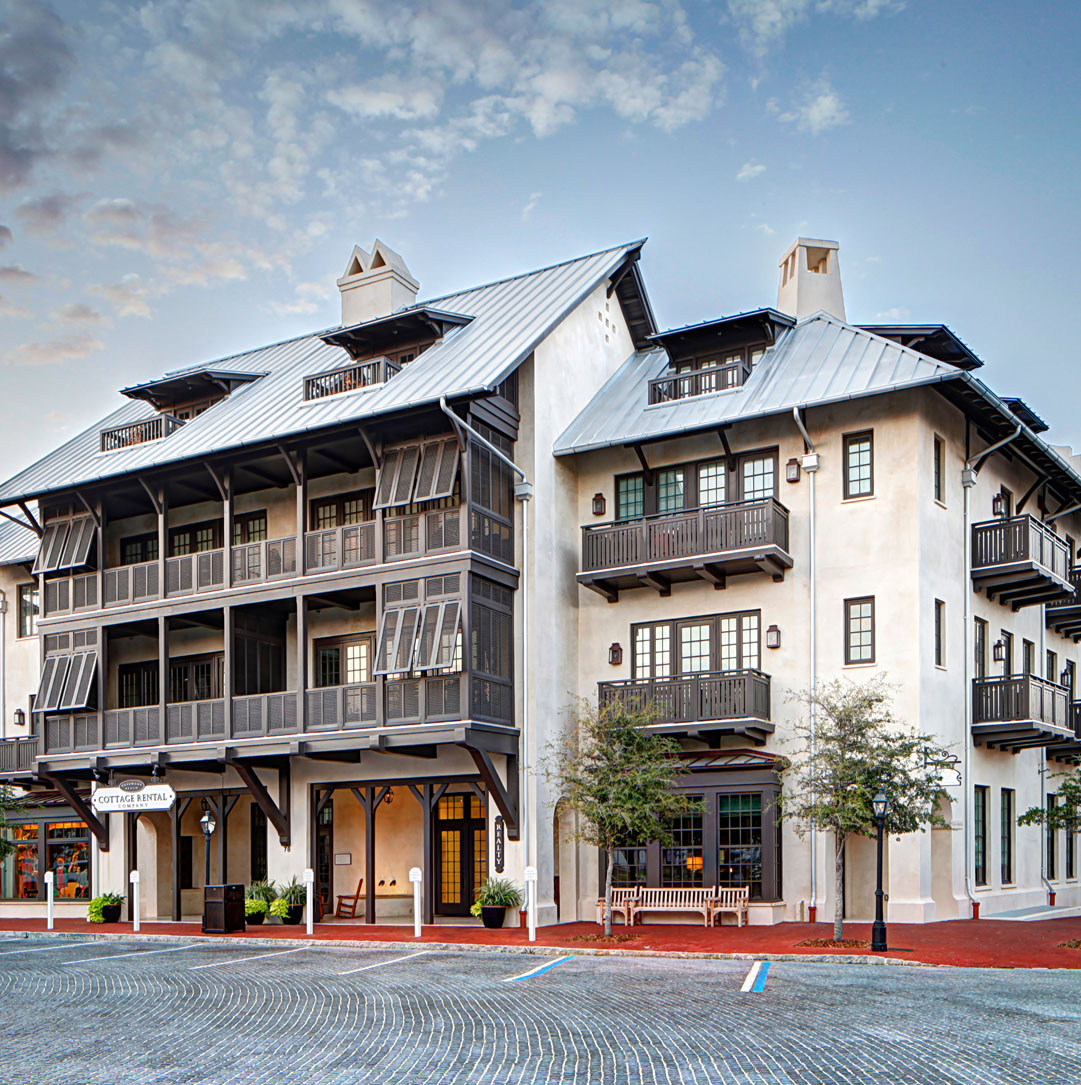
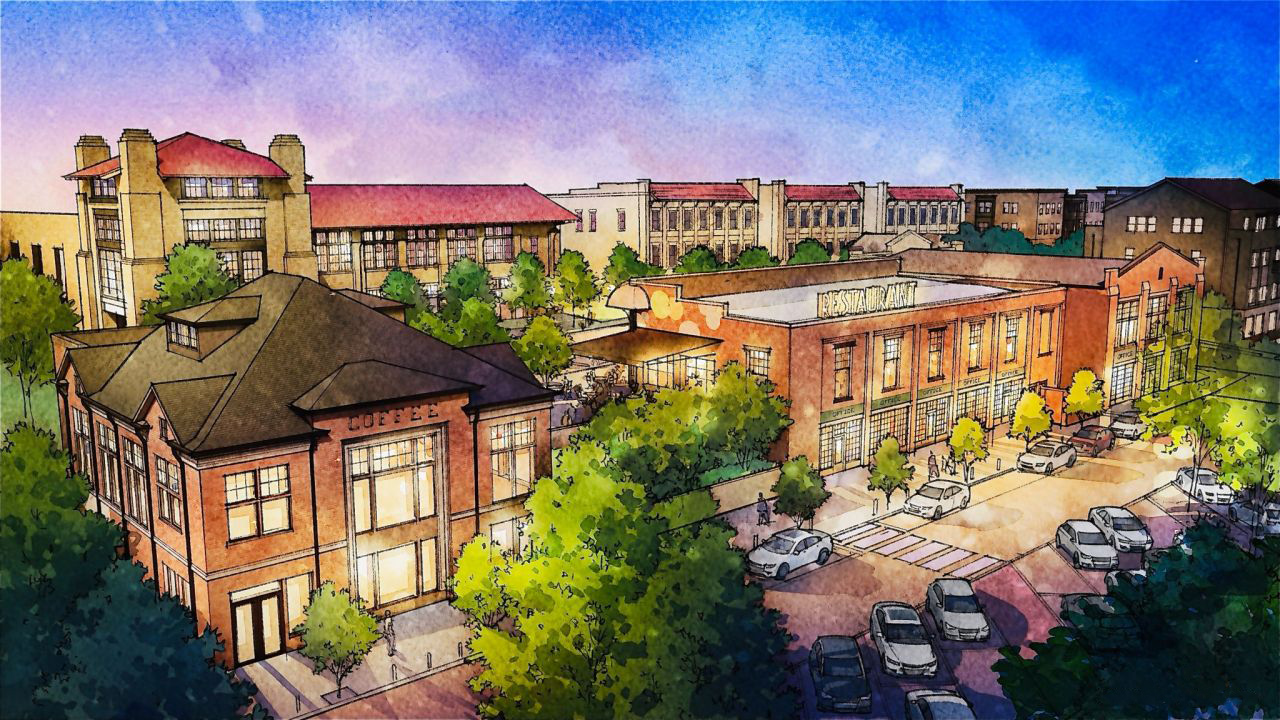
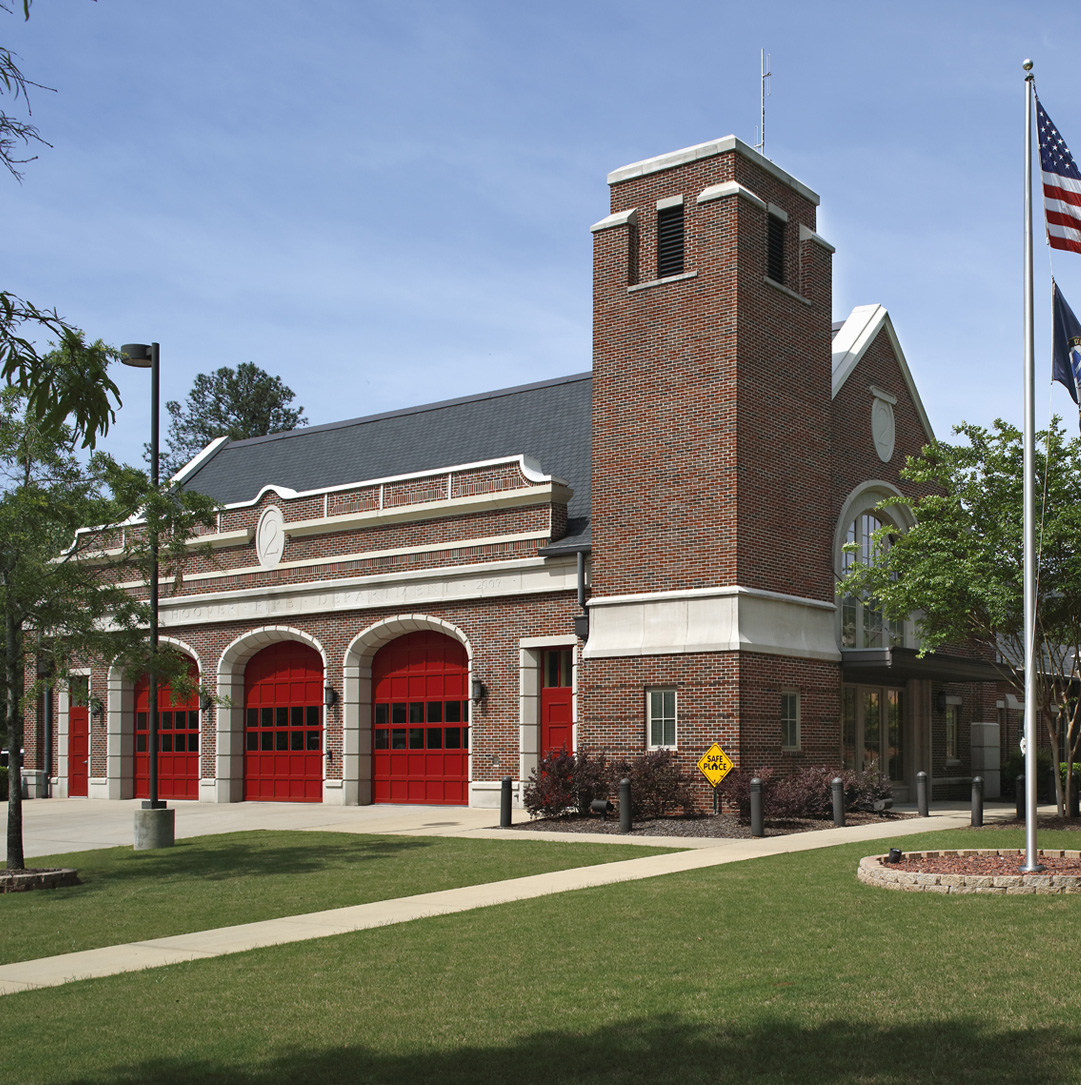
Design it to protect and represent.
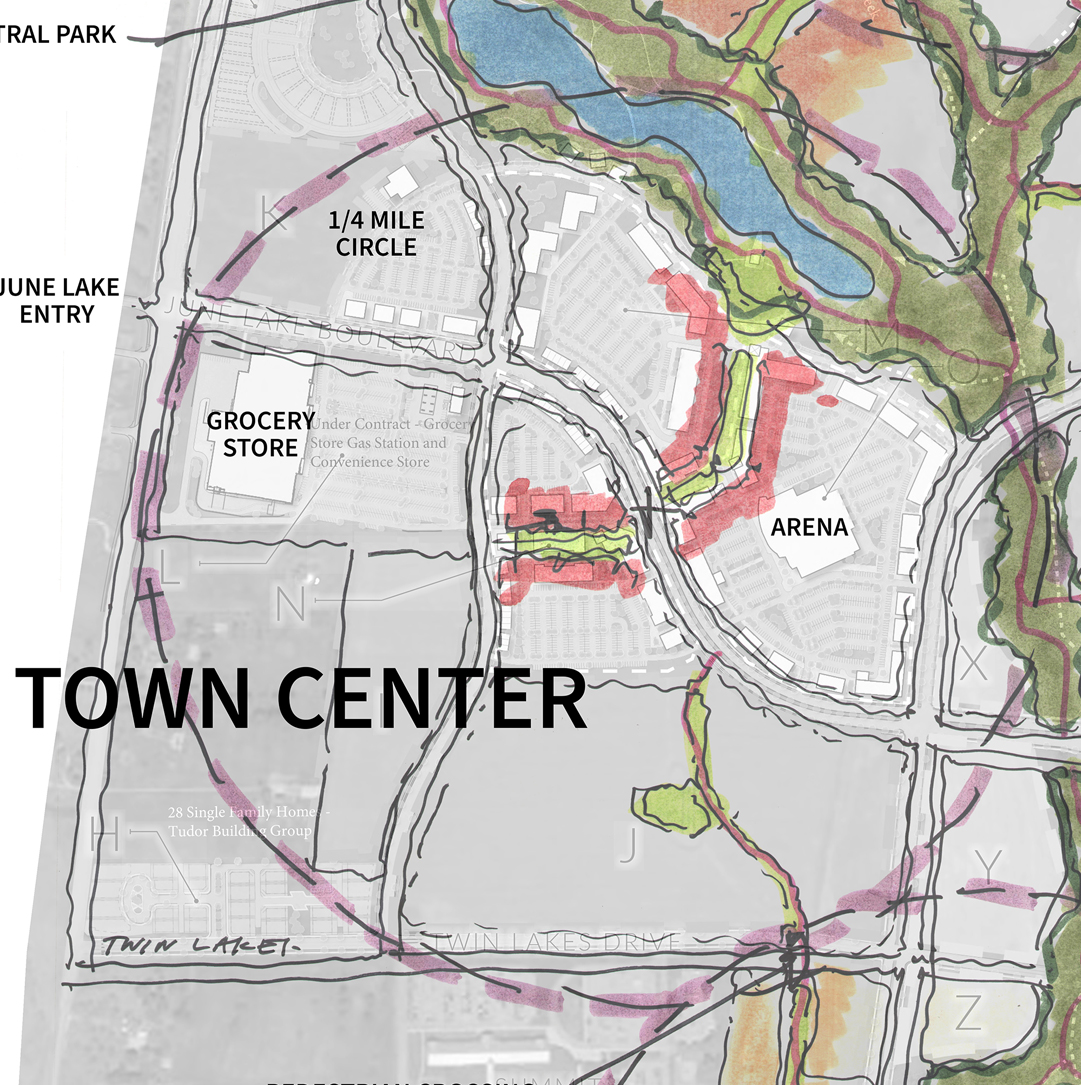
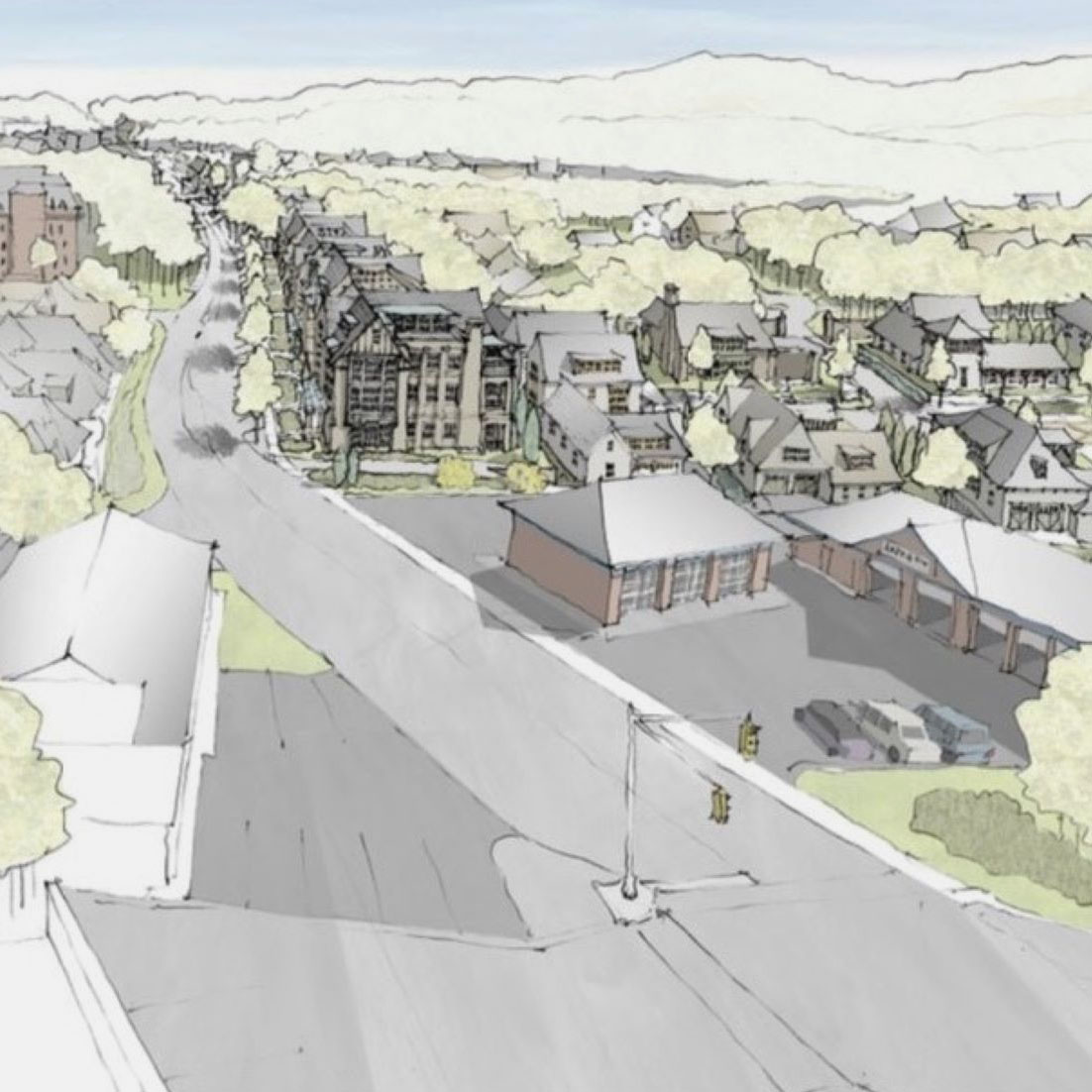
• Position the station as a gateway marker into the neighborhood.
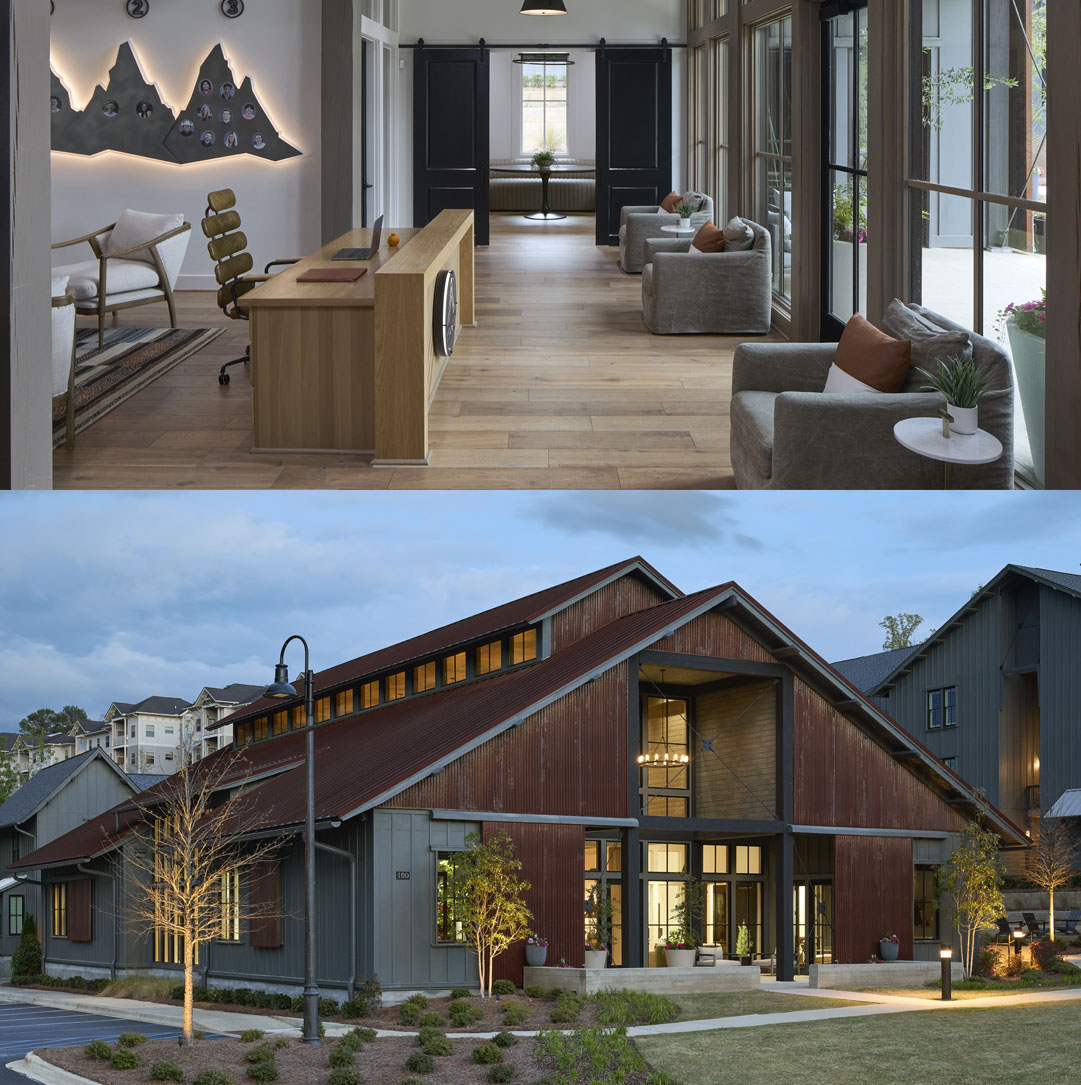
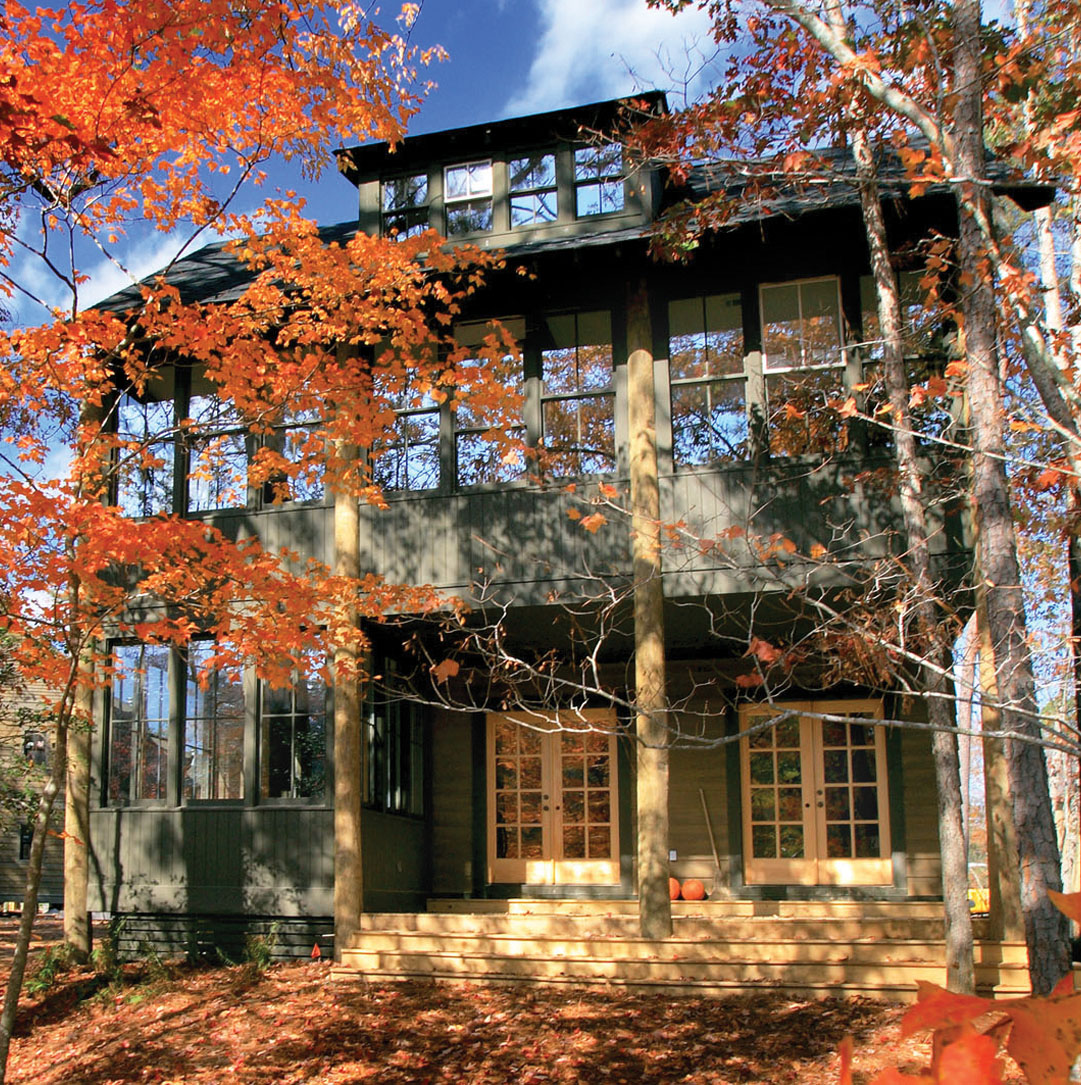
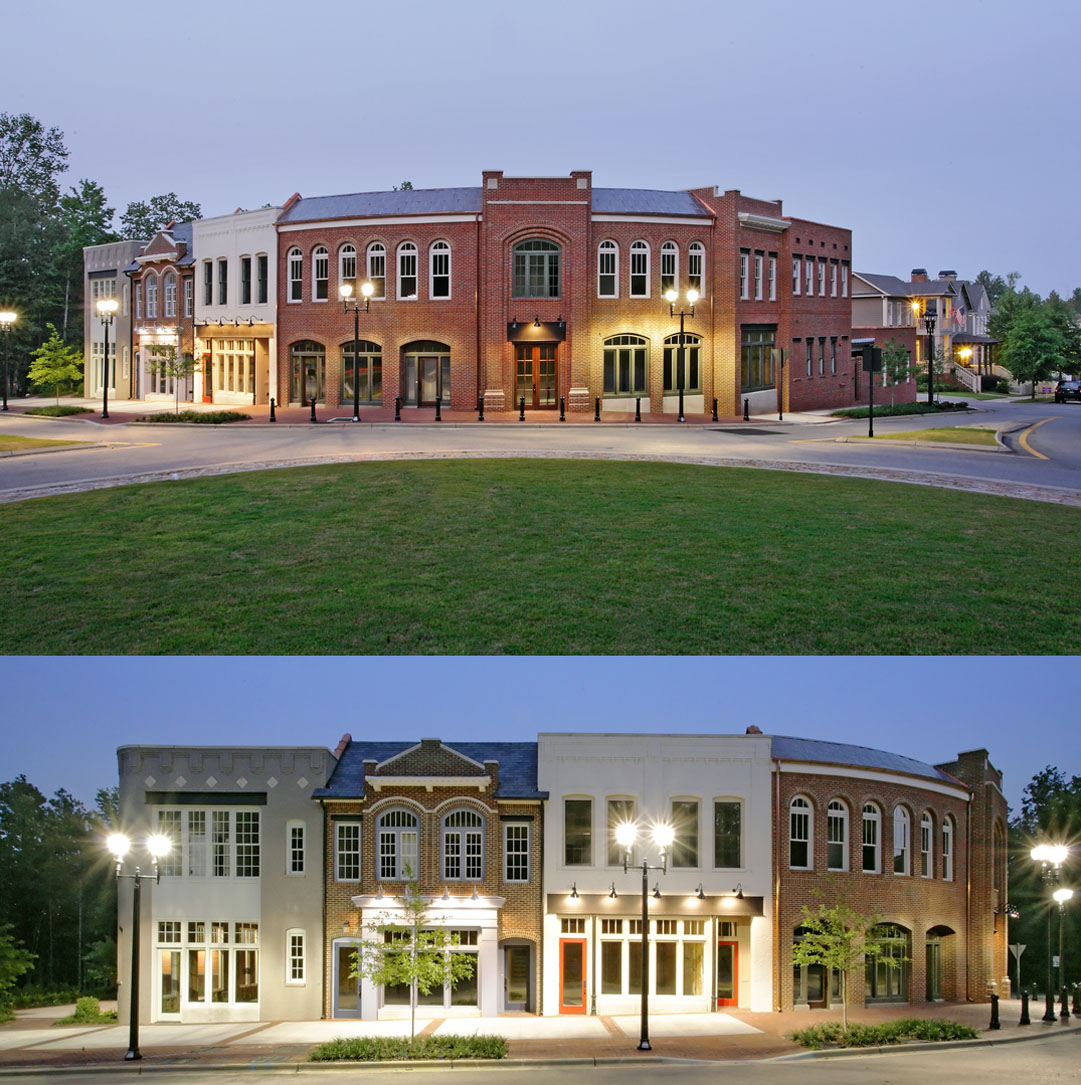
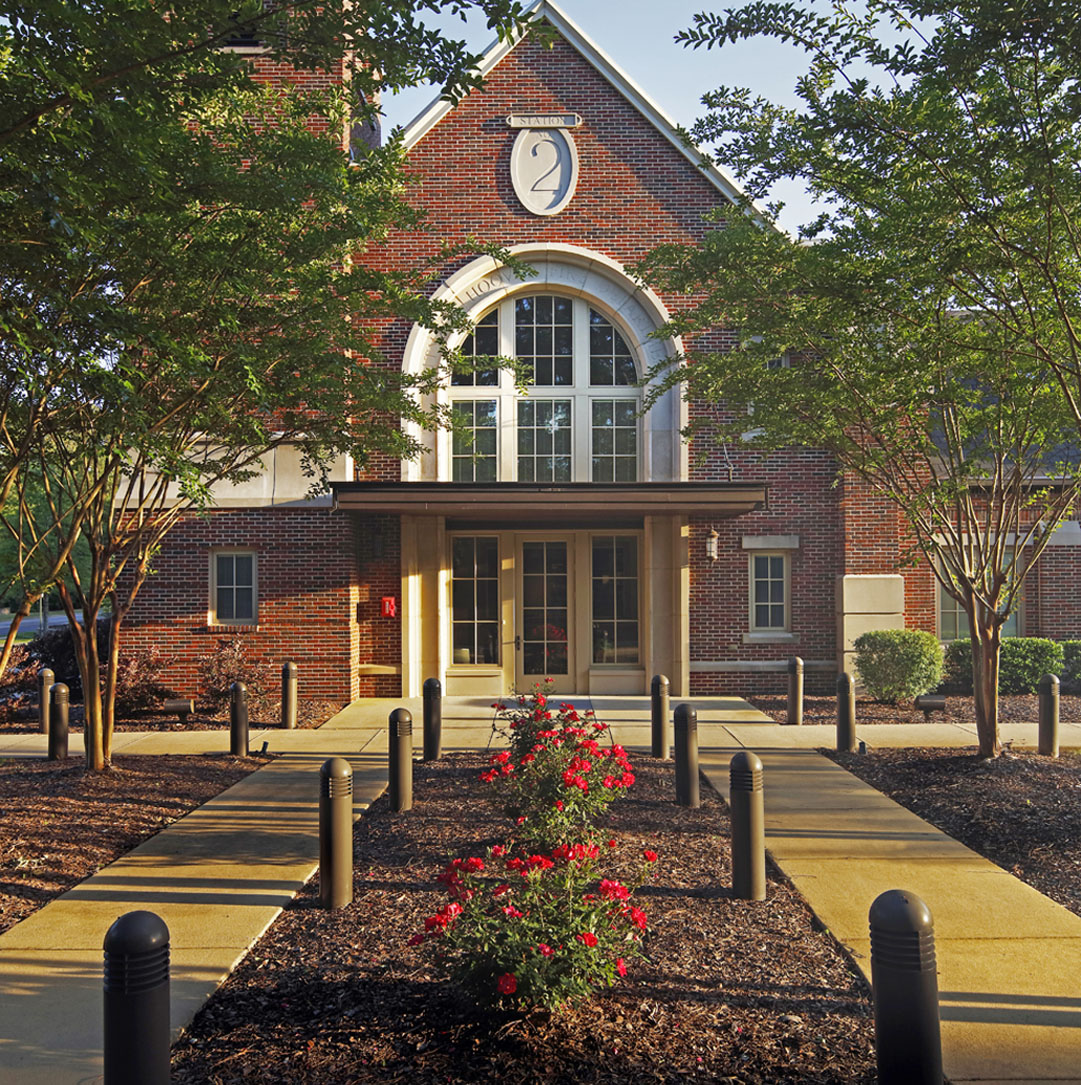
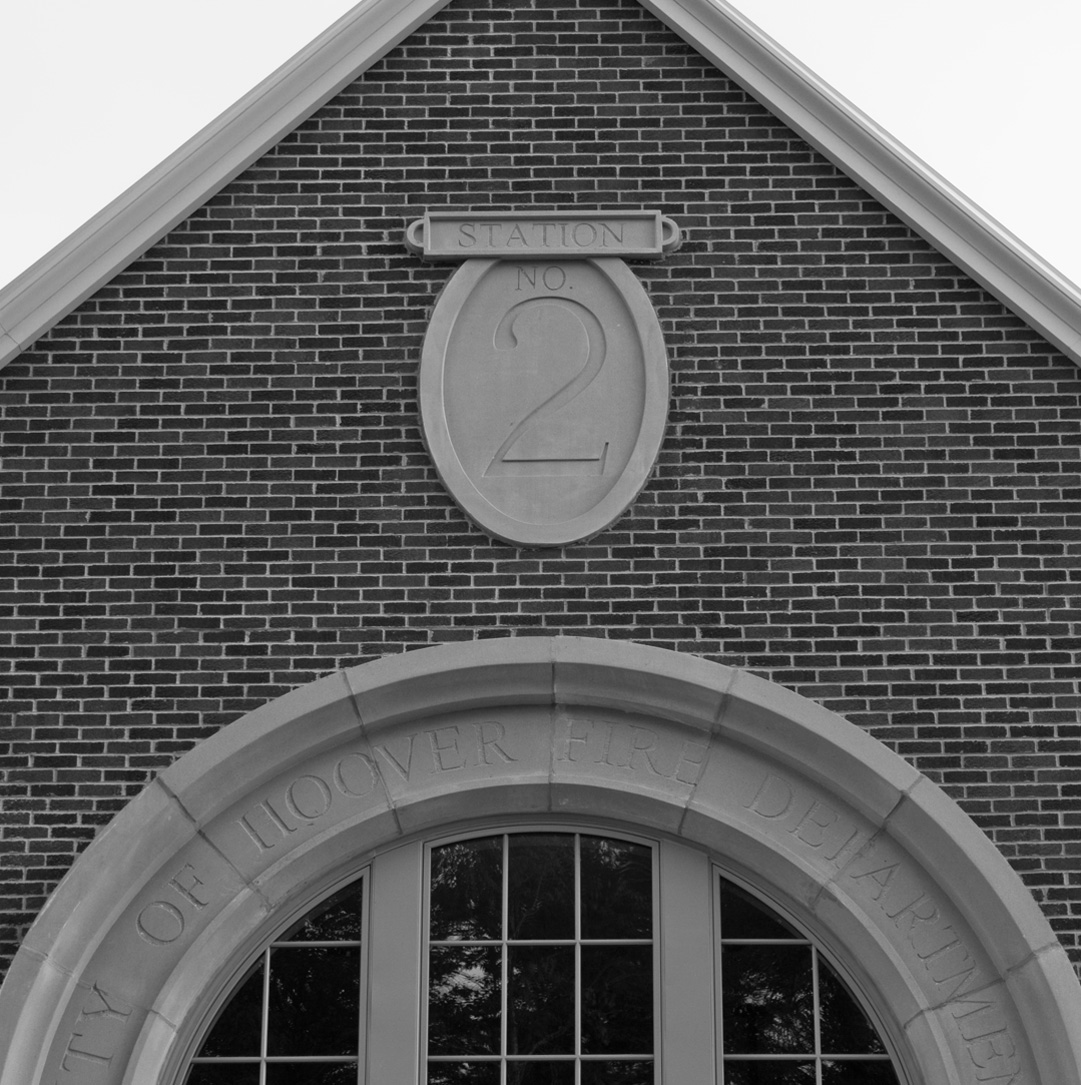
• Elevate materials and form to reflect civic pride.
• Balance operational efficiency with community presence.
• Create a building that signals safety, identity, and permanence.
Nequette’s approach:
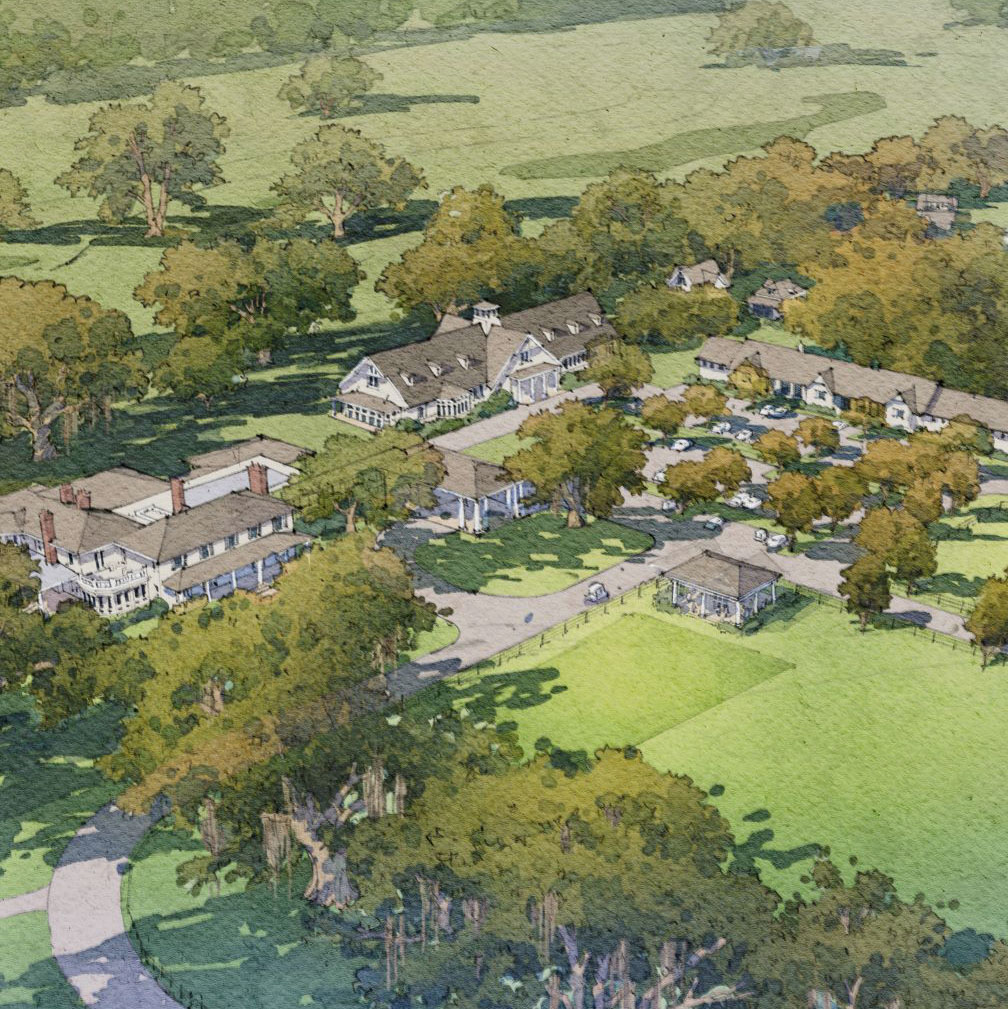
We treat civic buildings as more than infrastructure. We design them as integral pieces of the community fabric, where performance, durability, and architectural presence come together to create buildings that serve daily needs while elevating the identity of the neighborhood.
Because when essential buildings are designed with intention, they don’t just serve the community, they become part of how the community sees itself.
Sources: Kevin Lynch, Aldo Rossi, Project for Public Spaces, ULI, Jan Gehl, Whyte